
Marketing and communications functions across the insurance and reinsurance sector are undergoing a significant shift, with greater emphasis on commercial impact, disciplined use of artificial intelligence (AI) and the growing value of human trust, according to panellists at a recent industry event.
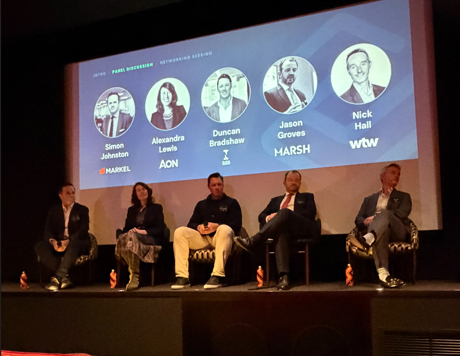
Speaking at a Slipcase-hosted discussion in London this week, senior leaders from WTW, Markel UK, Marsh, Aon Re and Inigo outlined how the role of marketing is evolving in response to changing market conditions.
A central theme was the need to take a more pragmatic approach to artificial intelligence.
While the volume of AI tools entering the market continues to grow, speakers stressed that adoption must be grounded in clear business outcomes.
The most effective use cases today are not large-scale transformations, but targeted applications, such as automating repetitive tasks, improving data analysis and accelerating internal workflows.
At the same time, there was caution around the impact of AI on content quality.
Panellists highlighted the risk of generic, undifferentiated output, arguing that originality and insight remain critical in a sector built on expertise.
As a result, many firms are prioritising fewer, higher-quality outputs, supported, but not led, by AI.
Data accountability is also becoming a defining feature of insurance marketing. Teams are increasingly expected to demonstrate direct contribution to revenue, moving beyond traditional metrics towards clearer links between marketing activity and commercial outcomes.
This includes integrating marketing data with sales performance and presenting insights in a way that resonates with senior business leaders.
However, speakers warned against an over-reliance on data alone. While analytics are essential, there remains a need for judgement, creativity and a willingness to take calculated risks, particularly in a competitive and often complex market.
Trust emerged as another key differentiator. In an environment shaped by information overload and AI-generated content, clients are placing greater value on credible, human expertise.
This is driving a shift towards elevating internal subject matter experts and encouraging more visible, personal engagement with clients and partners.
Closely linked to this is the rise of a broader “ecosystem of influence”.
Rather than relying solely on a corporate brand voice, insurers and reinsurers are increasingly leveraging employees, ambassadors and external partners to communicate their value.
This reflects a wider move towards more human, relationship-driven marketing in the sector.
Brand strategy, particularly in a soft market, is also under a renewed focus. With pricing pressures impacting margins, firms are looking to differentiation through reputation, client experience and consistent positioning.
Panellists noted that authenticity is critical, with brands needing to reflect genuine strengths rather than aspirational messaging.
Budget pressure remains a constant backdrop. Marketing teams are being asked to do more with less, reinforcing the importance of aligning closely with sales functions and demonstrating measurable return on investment.
Those able to clearly connect marketing activity to pipeline and growth are better positioned to protect and justify spend.
Overall, the discussion highlighted a broader shift in insurance and reinsurance marketing, from a support function to a more commercially integrated role.
As expectations rise, success will increasingly depend on balancing technology with human insight, data with creativity and efficiency with trust.
Panellists:
→ Nick Hall, Global Head of Marketing at WTW
→ Simon Johnston, Marketing Director at Markel UK
→ Jason Groves, Communications Director at Marsh
→ Alexandra Lewis, CMO at Aon Re
→ Duncan Bradshaw, Marketing Director at Inigo