
Ahead of the FIFA World Cup 2026, Visa is moving from preparation into the execution phase of its role as the tournament’s payment technology partner, with a focus on delivering tangible community impact across host cities.
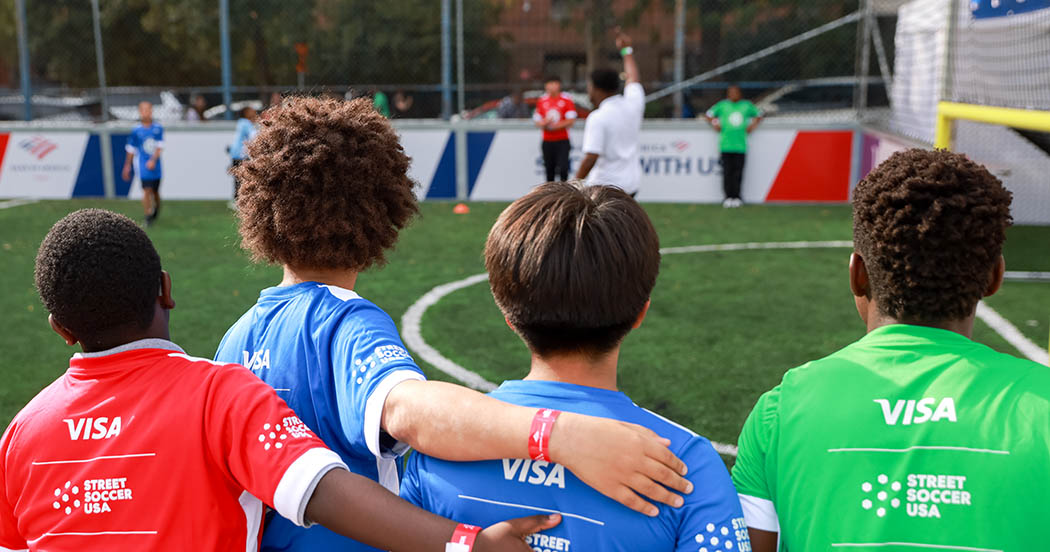
As part of this shift, the payments firm has partnered with the Street Soccer USA and Bank of America, the official bank sponsor of the tournament, to expand its Visa Street Soccer Parks initiative.
The plan will see a new park introduced in every US host city ahead of this summer’s competition. In total, all 11 host cities, including Boston, Dallas–Fort Worth, Houston, Los Angeles, Miami, Philadelphia and Tacoma, will feature a dedicated space designed to serve local communities.
Kim Lawrence, regional president of North America at Visa, says with the FIFA World Cup just months away, Visa is shifting from preparation to execution. She adds that while the tournament is a global moment, its legacy is built locally in the neighbourhoods that will host fans, families and the next generation of players.
That local focus underpins the design of the Visa Street Soccer Parks, which aim to transform underutilised spaces into accessible hubs for sport, learning and connection.
“By expanding Visa Street Soccer Parks and supporting the local businesses and people who activate them every day, we’re turning tournament momentum into meaningful opportunity that lasts well beyond the final match,” Lawrence adds.
David Tyrie, president of marketing, digital and specialised consumer client solutions at Bank of America, adds that these parks aren’t just designed for sports, they are designed to instil a sense of community built on accessible opportunities for connection, healthy activity and growth.
Each park is custom-built to support ongoing use, featuring two professional-grade Bank of America fields, lighting for extended play, learning centres and flexible gathering spaces.
Programming will also be delivered in collaboration with community partners and tailored to local needs, supporting recreational play, academic enrichment, workforce readiness and broader community engagement.
“These are more than just places to play; they are spaces where people of all ages can find common ground through the game of soccer, develop essential life skills and forge lasting bonds that strengthen our community fabric,” he says.